Upper Town: The Historic Core
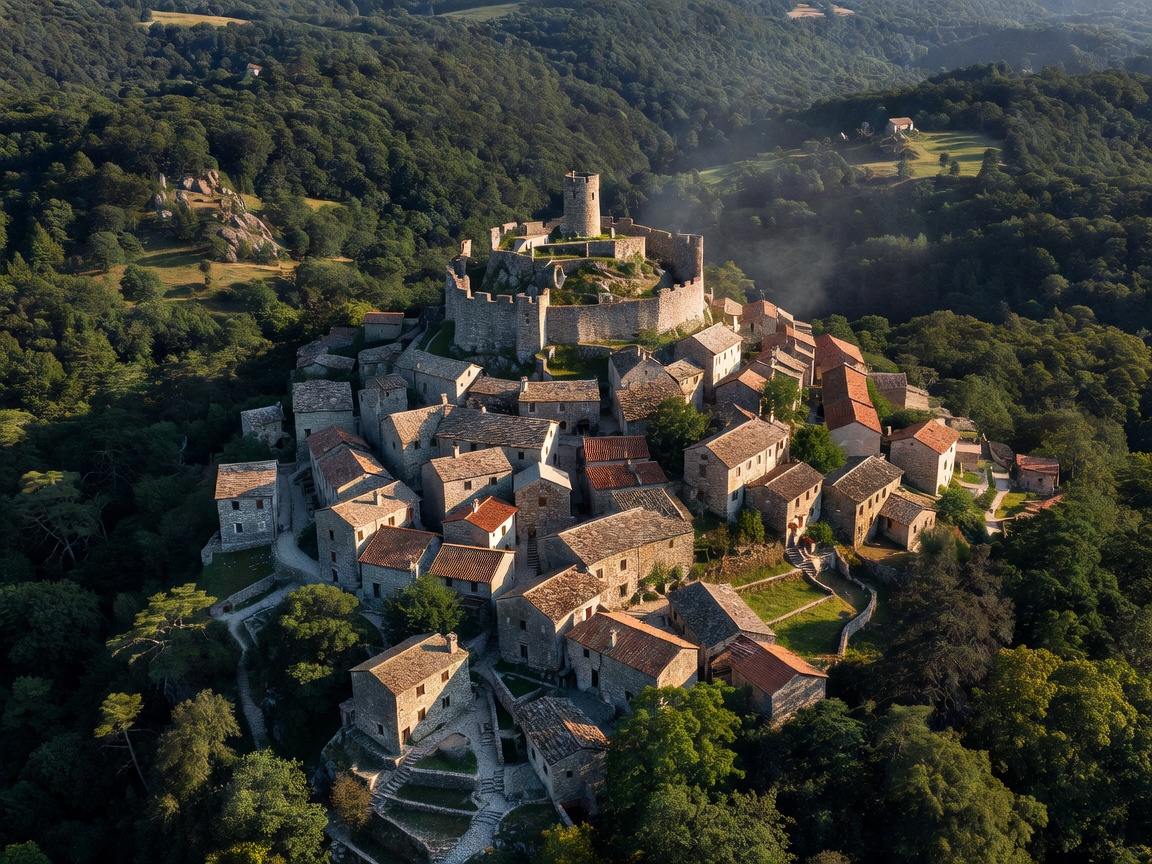
Gornji Grad, Zagreb's Upper Town, is where the city's older architecture concentrates: St. Mark's Church with its distinctive tiled roof bearing the coats of arms of Croatia and Zagreb, the Lotrščak Tower where a cannon is fired daily at noon, and a short funicular line connecting Upper and Lower Town that saves a walk up the hill without taking more than a minute or so to ride. Stone Gate, a small chapel built into a former city gate, is a quieter stop worth a few minutes if you're passing.
The Upper Town streets are largely pedestrian and easy to cover on foot in a morning, with good viewpoints back over the Lower Town's rooftops along the way.
Lower Town and the Green Horseshoe
Donji Grad, the Lower Town, is built on a grid around Ban Jelačić Square, the city's main civic space and a natural meeting point. Extending from the square is a chain of parks and grand 19th-century buildings sometimes called the "Green Horseshoe," which includes the Zagreb Cathedral's twin spires, several of the city's major museums, and shaded gardens that are genuinely pleasant to walk through rather than just decorative.
Dolac Market, just above Ban Jelačić Square, is Zagreb's main produce market and worth visiting in the morning when stalls are fullest — a useful, unstaged look at daily city life alongside the sightseeing.
Museums Worth Your Time
Zagreb has a dense museum scene for its size, from the Museum of Contemporary Art to smaller, more idiosyncratic collections such as the Museum of Broken Relationships, which displays objects donated by the public alongside the stories behind them. Because opening hours and special exhibitions change, check current listings rather than relying on a fixed schedule when planning a visit.
Plitvice Lakes: The Main Day Trip
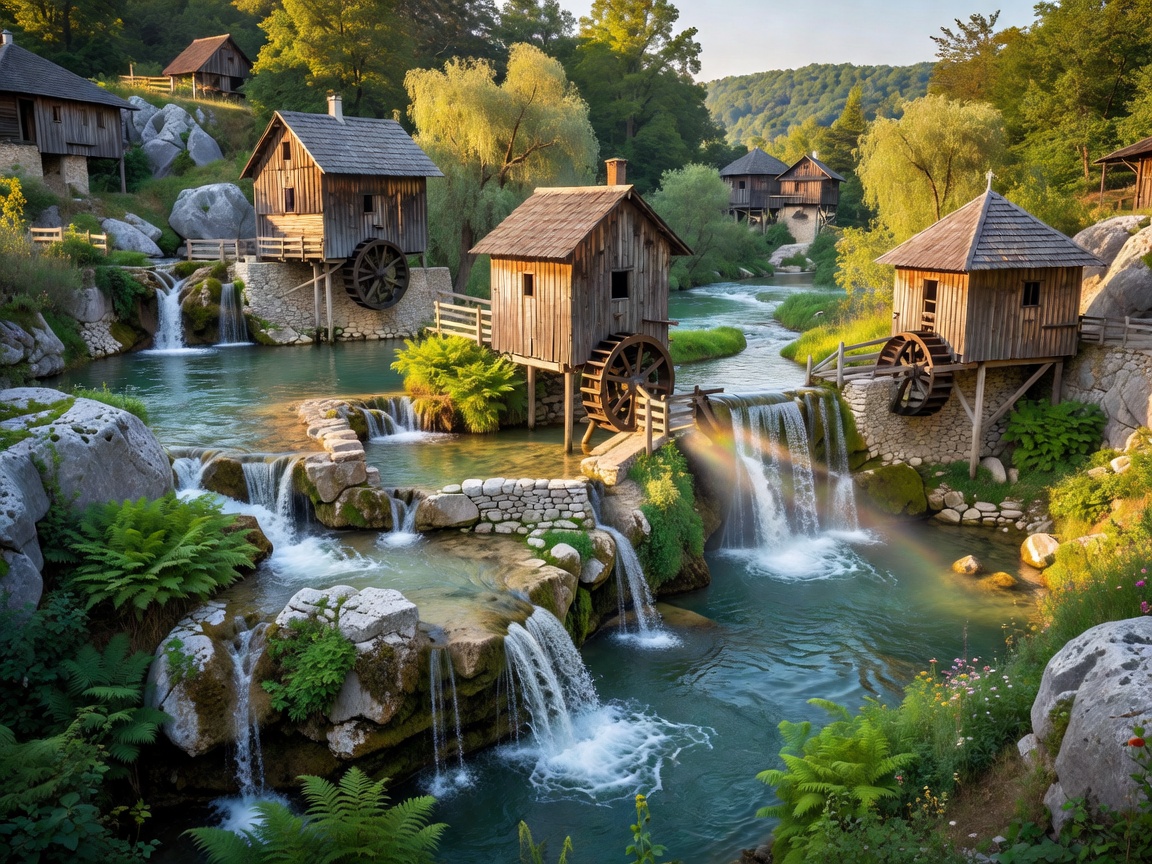
Plitvice Lakes National Park, a system of terraced turquoise lakes and waterfalls connected by wooden walkways, is Croatia's most visited national park and is most commonly reached from Zagreb by car, organised tour, or bus, with a journey of roughly two hours each way. It's feasible as a long day trip from Zagreb, though an overnight near the park lets you start walking before the day-trip crowds arrive. Entry is ticketed and demand is highest in summer, so booking ahead is worthwhile in peak season.
When to Go
Zagreb has a continental climate rather than the Mediterranean weather of the coast — hot summers, cold winters, and a real change of seasons. Its Advent season, when the city centre fills with market stalls, lights and mulled wine stands through late November and December, has become one of the more popular reasons to visit outside summer. Spring and early autumn are comfortable for walking the city without heavy crowds or extreme heat.
Pros and Cons
Pros
- Compact, walkable centre
- Strong museum and market culture
- Practical gateway to Plitvice Lakes
Cons
- No coastline or beaches
- Continental climate means cold, grey winters
- Less obviously "postcard" than the coastal cities
Getting There
Zagreb Airport connects to a wide range of European cities year-round, more reliably outside the summer-only routes that serve coastal airports. Trains and long-distance buses link Zagreb to Split, Zadar and Rijeka, making it a workable start or end point for a longer coastal loop, and Samobor, a small town in the hills nearby, makes an easy half-day trip if you have a spare afternoon.