Rovinj: The Postcard Town
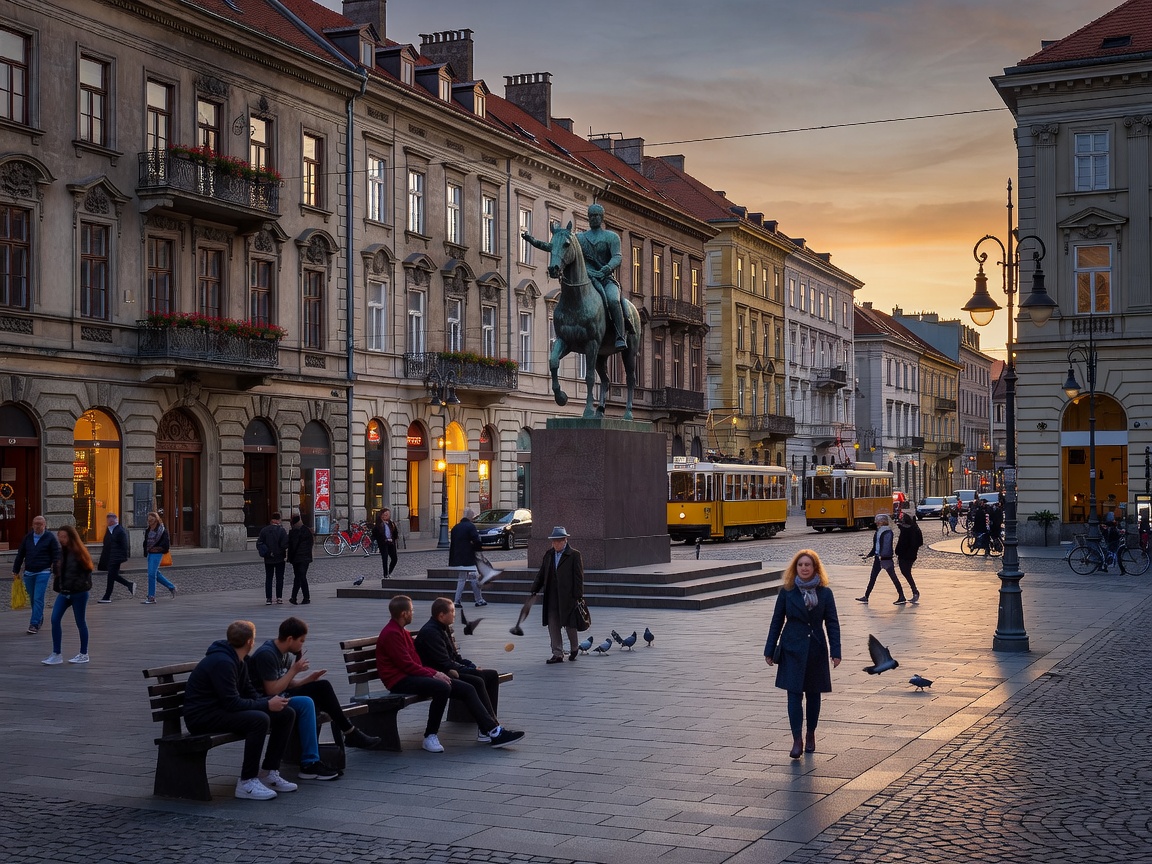
Rovinj's old town occupies a small peninsula, its pastel houses rising directly from the water and its streets narrowing into a warren of cobbled lanes climbing toward the Church of St. Euphemia, whose bell tower is visible from well out at sea and worth the climb for the view. The town has long attracted painters and craftspeople, and Grisia Street, lined with small galleries and studios, reflects that history without feeling entirely staged for visitors. Early morning, before day-trip boats and buses arrive, is the best time to walk the harbourfront.
Pula: Roman Remains on the Coast
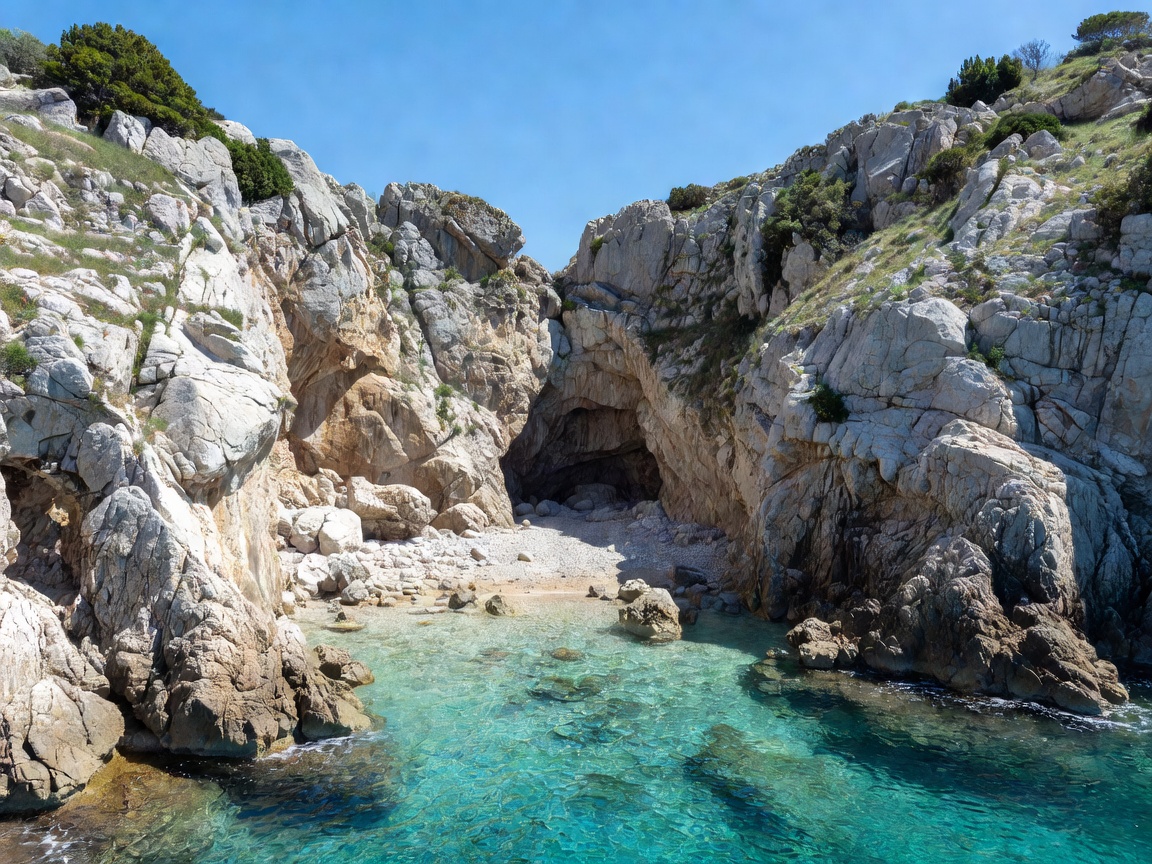
Pula's amphitheatre — the Pula Arena — is one of the better-preserved Roman arenas still standing and remains in active use for concerts and events rather than functioning purely as a museum piece. The Temple of Augustus in the town's forum and the Arch of the Sergii are smaller but equally direct evidence of the city's Roman period, both easy to combine with a walk through the modern centre. South of the city, Cape Kamenjak is a protected headland of cliffs and coves that makes a good beach or cycling day away from the historic sites.
Motovun: Istria's Hilltop Interior
Motovun sits on a hill in inland Istria, its medieval walls enclosing a small stone village with sweeping views over vineyards and forest below — a genuinely different landscape from the coast just a short drive away. The surrounding forests are known for truffles, particularly white truffles hunted in autumn, and truffle-focused restaurants and shops are common in and around the town. Motovun also hosts an annual film festival each summer that draws a livelier, younger crowd than the town's quiet daytime atmosphere might suggest.
Food, Wine and Olive Oil
Istria's food identity is distinct from the rest of coastal Croatia — closer in spirit to northern Italian regional cooking, with a strong olive oil tradition and wines built around local grape varieties, notably the white Malvazija and red Teran. Truffle hunting tours, usually led by local hunters with trained dogs, are widely offered around Motovun and neighbouring villages and are worth booking through a specific operator rather than showing up unannounced.
Coastal Towns vs. Hilltop Villages
Rovinj & Pula (Coastal)
Beach access, harbour views, easier walking, better for travellers without a car since both are served by regional buses.
Motovun & Inland Hill Towns
No beaches, but sweeping countryside views, food and wine focus, and a slower pace — realistically needs a rental car to reach comfortably.
Getting There
Pula Airport has seasonal connections to a range of European cities, busiest in summer. Istria is also a realistic overland add-on for travellers coming from Trieste in Italy or Ljubljana in Slovenia, both within a few hours' drive of the peninsula. A rental car is the most practical way to combine coastal towns with the hilltop interior in one trip, since bus connections to villages like Motovun are limited.
Where to Stay
Rovinj Old Town (€€–€€€)
The most atmospheric base, though narrow streets mean limited parking near your accommodation.
Pula (€–€€)
Generally better value, good transport links, less immediately picturesque than Rovinj.
Practical Tips
- Rent a car if Motovun or other hill towns are on your list — public transport inland is sparse.
- Visit Rovinj's old town early morning or evening to avoid the busiest day-trip hours.
- Autumn is truffle season and also brings fewer crowds than peak summer.
- Check the Pula Arena's events calendar — opening hours and access change on concert days.