Why Dubrovnik Is Worth the Crowds
Dubrovnik's Old Town is a compact, fully walled peninsula where limestone streets, Baroque churches and Renaissance palaces sit within a single defensive perimeter that has survived earthquakes, sieges and a modern siege during the 1990s conflict, after which much of the historic core was carefully restored. Walking the city walls — a roughly two-kilometre loop atop the fortifications — is the single most useful orientation exercise: from up there you can see the terracotta roof pattern, the Adriatic on three sides, and the layout of streets that's otherwise easy to get lost in at ground level.
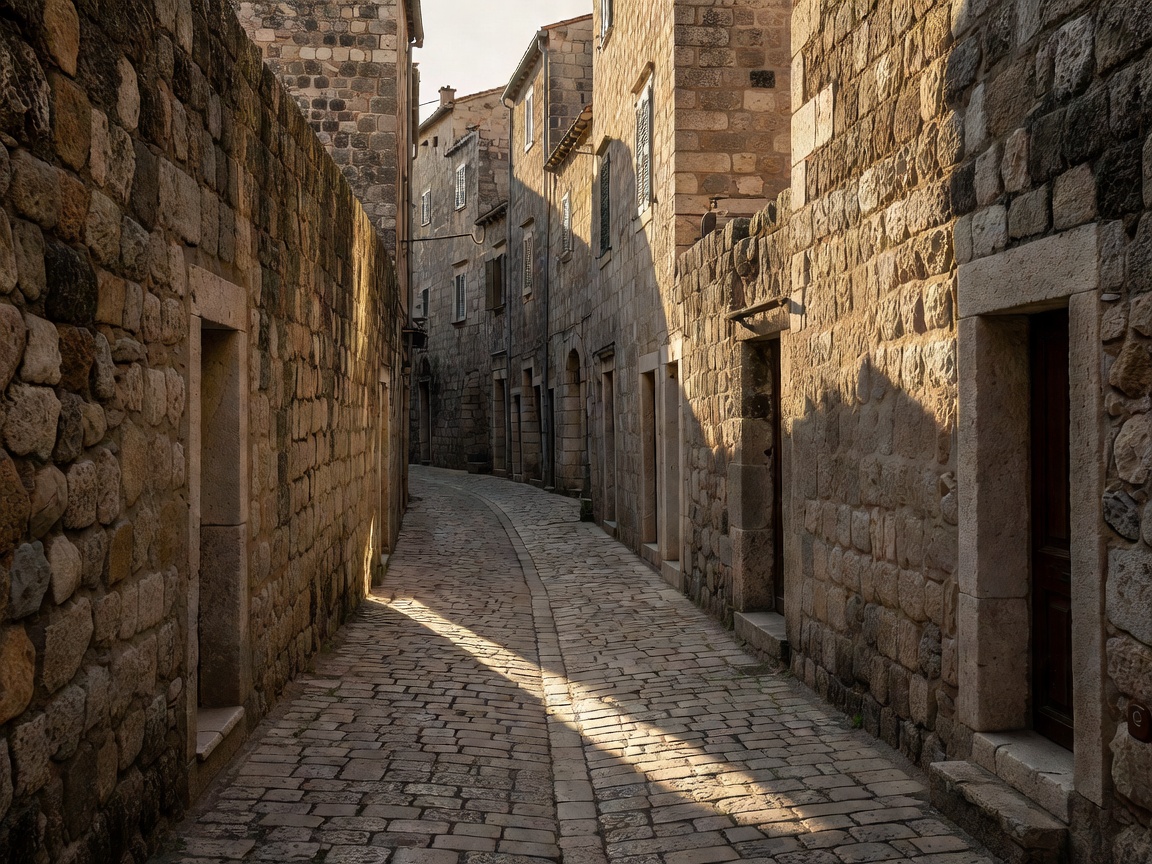
Stradun, the main limestone-paved promenade, cuts the Old Town in two and is where most first encounters with the city happen — polished stone underfoot, café tables spilling into side alleys, and Onofrio's Fountain at one end. Away from Stradun, narrow stepped lanes climb toward the hillside, past Jesuit steps and quieter residential corners where the city still functions as a place people live, not only visit.
Beyond the Walls
Fort Lovrijenac sits on a separate rock outside the western gate and is worth the short walk for the view back at the Old Town's fortified silhouette. A cable car climbs Mount Srđ behind the city, and the summit view — city, walls, sea and the Elaphiti Islands scattered offshore — is one of the better payoffs for relatively little effort, though queues build quickly in the middle of the day in high season.
Dubrovnik has also become known among television viewers as a filming location for a fantasy series set in a fictional walled city; several of its streets, forts and squares were used for exterior scenes. You don't need to know the show to enjoy the city, but if you do, local walking tours built around filming spots are widely available.
For swimming, the Old Town's own beaches are small and pebbly. Many visitors take a short boat trip to Lokrum, a forested island a few minutes offshore with a botanical garden, ruined monastery and rocky swimming coves — a straightforward half-day trip that gets you off the peninsula without much planning.
Getting There and Getting Around
Dubrovnik Airport (Čilipi) sits south of the city and connects to a range of European hubs, with services concentrated in the warmer months and thinner in winter. From the airport, shuttle buses and taxis run into town; there's no rail link. Ferries connect Dubrovnik north along the coast to Split and on to islands including Korčula and Hvar, though schedules are seasonal and worth checking well ahead if you're building a coastal itinerary around them.
Inside the city, the Old Town is pedestrian-only, so a stay within or near the walls means walking everywhere, often on stepped lanes. If you'd rather avoid stairs with luggage, look at accommodation near the Pile Gate, where a level approach is easier.
When to Go
July and August bring the heaviest crowds and the highest cruise-ship traffic, with the Old Town at its most congested around mid-morning and midday when multiple ships are in port. Late May, June, September and early October offer a reasonable trade-off: warm enough to swim, noticeably calmer streets, and lower accommodation demand than peak summer. Winter is quiet and mild by northern European standards, though many restaurants and some boat operators reduce hours or close.
Where to Stay
Old Town (€€€)
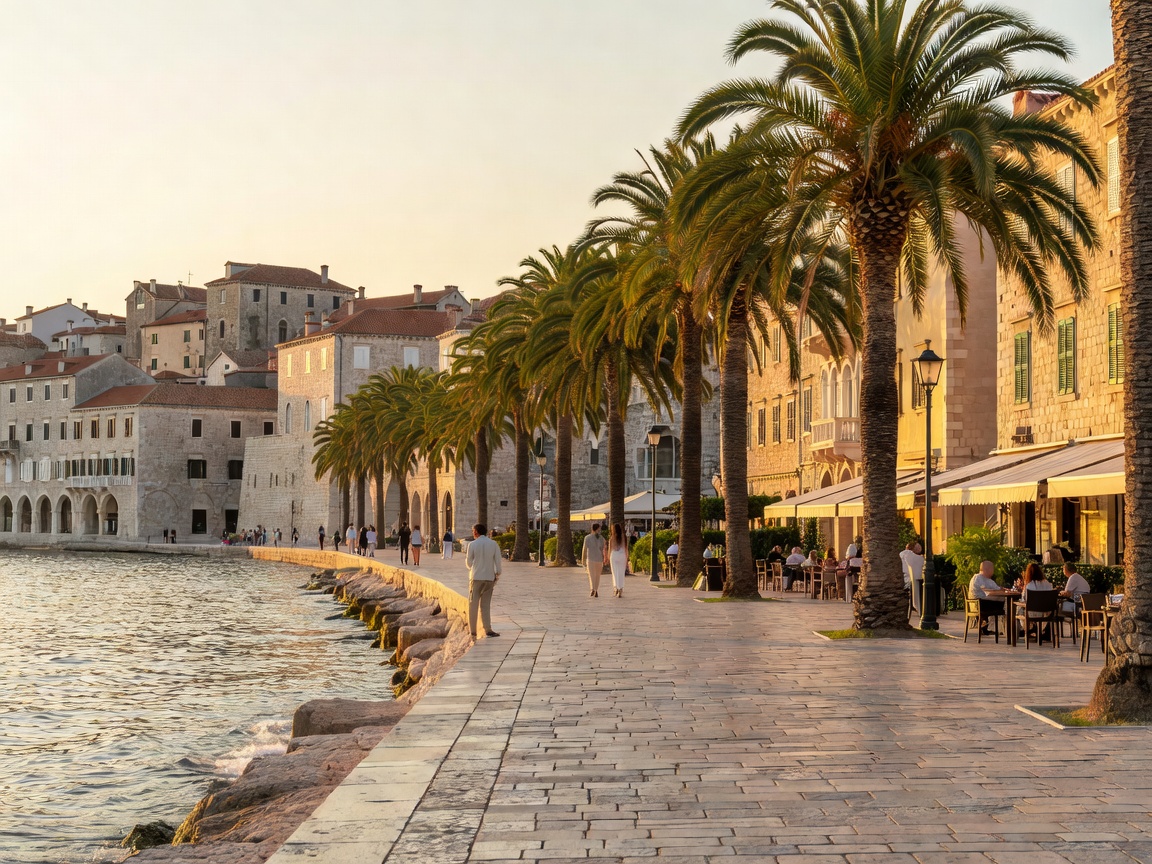
Highest prices, no cars, everything on foot, but you're inside the walls after the day-trippers leave — the city at its quietest and most atmospheric in the early morning and evening.
Lapad & Babin Kuk (€–€€)
A resort peninsula west of the Old Town with beaches, a bus connection into the centre, and generally better value for longer stays.
Ploče (€€)
East of the Old Town, walkable to the walls, generally calmer than Lapad with a more residential feel.
Pros and Cons
Pros
- Extremely walkable historic core
- Strong ferry links for island day trips
- Reliable warm-season weather
Cons
- Severe midday crowding in peak summer
- Old Town lodging and dining prices run high
- Pebble, not sand, beaches
Practical Tips
- Walk the city walls at opening time or in the last two hours before closing to avoid the worst heat and crowds.
- Book cable car and wall tickets online in advance during July and August.
- Pack water shoes — most swimming spots around the Old Town are rock or pebble.
- Consider a day trip north to Split or south to Cavtat by bus if you want a change of pace without moving hotels.